Google lets Search check your credit score and shop for loans through Experian, but it hasn’t said how loan offers are picked, and AI Mode defaults to the app you used last

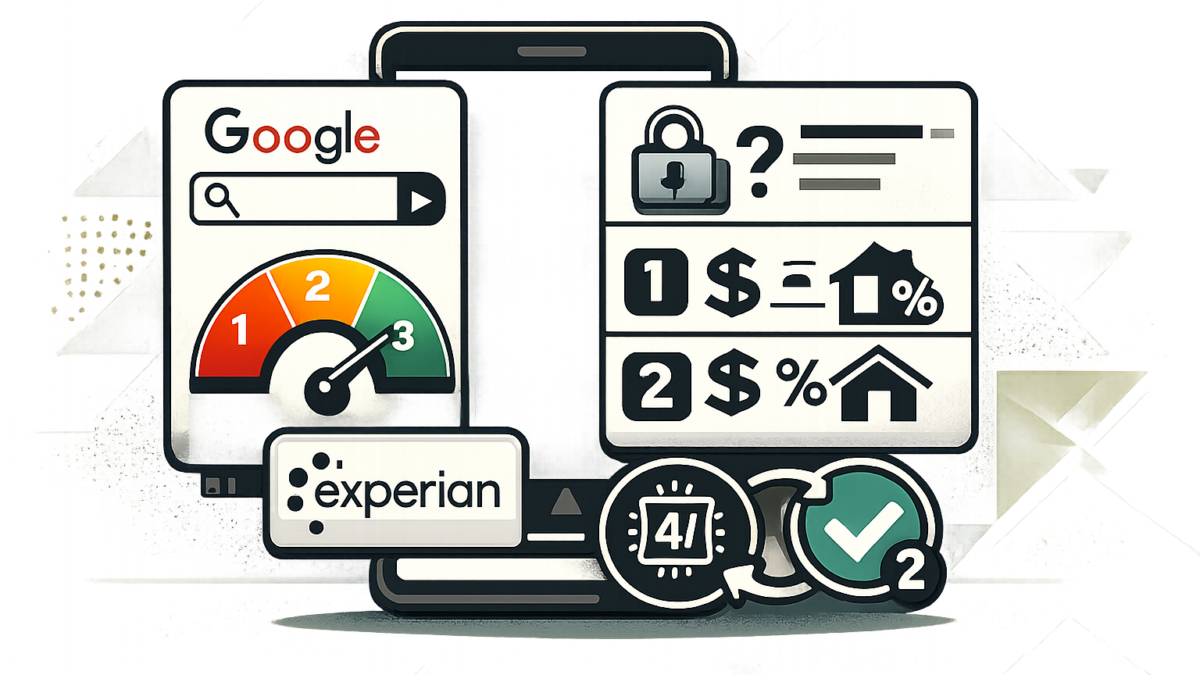
Google is rolling out new Connected Apps in Search that let US users check their credit rating and shop for a personal loan through Experian, estimate tax refunds through H&R Block, and build grocery orders with Albertsons, Safeway, Shaw’s and Target, it said on November 20, 2026. Angi and Thumbtack, the home services platforms, will follow “in the coming weeks.”
However, Google’s four-paragraph post does not say how loan offers are chosen or ranked, or what account data Google shares with Experian or H&R Block. Its Connected Apps help page, when checked on November 21, did not yet list any of the six new apps.
The same help page says AI Mode “may default to the last app you used for a certain task.” Users can switch apps by naming one in their request.
What did Google add on November 20?
Google added six Connected Apps to Search, in three groups:
- Groceries: Albertsons, Safeway, Shaw’s and Target, which “can help you build your order and check out with ease,” powered by Google’s Universal Commerce Protocol.
- Credit: Experian, “already live on the Gemini app,” now rolling out to Search “with the ability to help U.S. users check their credit rating and shop for a personal loan.”
- Taxes: H&R Block, so users can “calculate their taxes and estimate their refunds right from Search.”
Angi and Thumbtack will let users link accounts “in the coming weeks,” for finding “local pros who can fix that leaky faucet,” the post says.
What are Connected Apps?
Connected Apps are third-party services that users link to their Google Account so AI Mode can act inside them. Google launched them in Search on July 16, starting with Instacart, Canva and YouTube Music in the US. A user can ask AI Mode for a recipe, for example, and send the ingredients straight to an Instacart cart.
“For now, Connected Apps are available in AI Mode, and we’re starting to make them available in AI Overviews,” the help page says. AI Mode often hands off to the app to finish: to check out with Instacart, for example, “you will be directed to Instacart.”
How does an app get into Search?
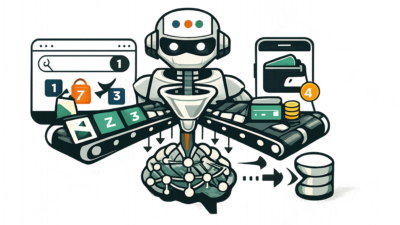
An app gets into Search through Google’s review. On October 28, Google opened a preview of its Connected Apps Platform, where developers build an MCP server, a standard way to link AI to outside tools, then “register, test, and submit their app.” Before review, developers choose “whether it will go live in Search, the Gemini app, or both.”
Access is limited. “We’re opening access in phases,” Google said, and it had launched “more than 50 Connected Apps between Search and Gemini” by then.
Shopping checkout runs on the Universal Commerce Protocol (UCP), which Google’s developer guide calls “an open standard designed for the future of commerce.” UCP enables “agentic actions on AI Mode in Google Search and Gemini, starting with direct buying.”
Which app does AI Mode choose?
AI Mode may choose the app for you. “Google may default to the last app you used for a certain task, but you can change which app you use to complete an action at any time,” the help page says. To pick a different app, users name it in their request, such as “@Peloton.”
For music and fantasy sports apps, users can make a general request and then “select the app you want to use,” the page says. Google does not say how it picks between competing apps the first time.
What does Google say about loan offers and data?
Google says very little. The November 20 post says Experian can help users “shop for a personal loan” in Search. It does not say which lenders appear, how offers are ranked, or whether Google or Experian is paid when a user takes a loan.
On data, the help page says linking lets Google act in the app. To unlink, users can “Delete all” to “remove all links and stop sharing Google account data with the apps.” The page does not list which Google account data each app receives.
Google also says it uses “people’s interactions with Search and these AI experiences” to develop and improve generative AI in Search. Data that human reviewers see is “disconnected from users’ accounts,” the page says.
Is the help page up to date?
The help page had not caught up when checked on November 21. It listed nine apps: Instacart, Canva, Adobe, YouTube Music, Yahoo Fantasy Football, Sleeper Fantasy Football, Calm, Peloton and Localiza, the last in Brazil only. Experian, H&R Block, Target, Albertsons, Safeway and Shaw’s were not on it. “New apps will be highlighted as they are made available,” the page says.
Background
- July 16, 2026: Google launched Connected Apps in AI Mode in the US, with Instacart, Canva and YouTube Music.
- October 28, 2026: Google opened a preview of its Connected Apps Platform for developers, with more than 50 apps live across Search and Gemini. Experian, Adobe, Localiza and Peloton were live in Gemini, with Search to follow.
- November 20, 2026: Google added Experian, H&R Block, Albertsons, Safeway, Shaw’s and Target to Search.
- Coming weeks: Angi and Thumbtack.
What this means for AEO
In my view, this is Search turning into a place where the answer ends in an action, and Google decides who performs it. If AI Mode answers “find me a plumber” and hands the job to Thumbtack, the plumber’s own site may never come up. Being cited is still valuable. But in categories with a Connected App, the citation may lead to a partner, not to you.
The default rule matters most. “Last app you used” rewards whoever gets there first. For brands, the question is no longer only “are we cited in AI Mode?” but “is there a Connected App in our category, and is it ours?” That is a new line in every AEO audit.
The loan piece deserves watching. Experian also feeds credit data into OpenAI’s Finances feature in ChatGPT. Both assistants now lean on one credit bureau, and neither Google’s post nor its help page explains how loan offers reach the user.
Questions Google’s post leaves open:
- Loans: Which lenders appear when Experian helps users “shop for a personal loan,” and how are they ranked?
- Payments: Does Google earn anything when a user takes a loan or places an order through a Connected App?
- Data: Which Google account data does each Connected App receive?
- Defaults: How does AI Mode choose between competing apps for a first-time user?
- Access: When will Connected Apps open beyond the US, and to which developers?
- AI Overviews: Which Connected Apps will appear in AI Overviews, and when?
Reference
- Google, “Get your year-end tasks done with new Connected Apps” (November 20, 2026): https://blog.google/products-and-platforms/products/search/connected-apps-holiday-errands/
- Google, “Connect more of your apps to Search” (July 16, 2026): https://blog.google/products-and-platforms/products/search/connected-apps/
- Google, “Build and manage Connected Apps in one place” (October 28, 2026): https://blog.google/innovation-and-ai/technology/developers-tools/connected-apps-one-place/
- Google Search Help, “Use & manage Connected Apps in Search” (checked November 21, 2026): https://support.google.com/websearch/answer/17265703?hl=en
- Google for Developers, “Universal Commerce Protocol (UCP) Guide”: https://developers.google.com/merchant/ucp
- OpenAI Help Center, “Finances in ChatGPT”: https://help.openai.com/en/articles/20001222-finances-in-chatgpt
- Sandeep Amar, “Google’s AI Optimization Guide Is Not the AEO Bible. It’s a Press Release!”: https://sandeepamar.in/googles-ai-optimization-guide-is-not-the-aeo-bible-its-a-press-release/