Everyone Finally Agrees Google Broke Publishing. That Is the Least Useful Part.

The Verge just ran the obituary for the Google-publisher deal. It is a good obituary. It is also the least useful thing you can read this week, because mourning the old traffic has become the industry’s favorite way to avoid building for the new reality.
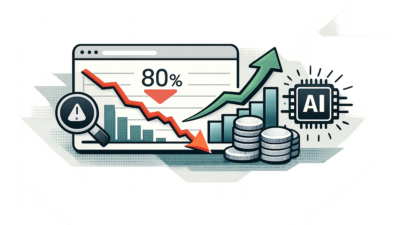
The column lays out what most of us have watched happen in slow motion. For years the arrangement was reciprocal. Publishers filled Google’s index, Google sent traffic back. That deal is over. AI Overviews, launched in 2024, put an AI-generated summary at the top of Search with source links underneath and no promise that anyone clicks them. The News/Media Alliance called it “catastrophic.” A Press Gazette investigation found AI Overviews showing on almost a quarter of news searches by May 2024, and by August replacing sites that had held the top spots for years.
Source: https://www.theverge.com/column/1017983/google-ai-search-online-publishing
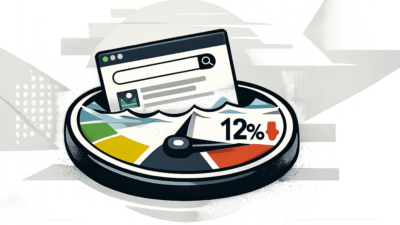
None of this is a forecast anymore. Chartbeat already clocked search down to 12% of page views at North American publishers, from 21% a year earlier.
Source: https://www.searchenginejournal.com/chartbeat-search-share-north-american-publishers-q3-2026/593673/
The part the obituaries skip
The deal was never going to hold, because the incentive quietly flipped. Google used to need your click to be useful. The AI answer is useful without it. Once the interface can satisfy the user on the page, every “optimize for the click” strategy is optimizing against the product’s own direction. You cannot SEO your way back into a transaction the other side no longer wants to make.
That is the uncomfortable reframe. This was not done to publishers by a villain. It is what happens when the thing you depended on finds a way to serve its user without you in the loop.
What to do on Monday
Two moves, and neither is nostalgia.
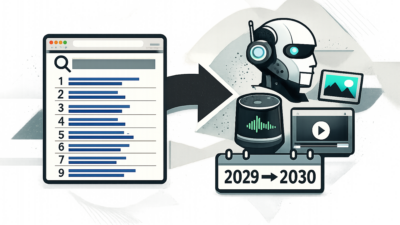
Stop measuring Google as a traffic source and start measuring it as a citation surface. The question is no longer how many clicks, it is whether you are in the answer, named and linked, even when the click never comes.
Then move the parts of your business that actually need a click, the subscriptions, the email list, the community, off rented land and onto channels you own. Google was never going to keep paying rent on your behalf.
Run the experiment before you argue about it. Take your top 20 revenue queries, ask them in AI Mode and in ChatGPT, and count how often you are the cited source versus how often you got the click. The gap between those two numbers is your actual job now.
Bottom line
The Verge is right that Google broke the old deal. But “Google broke publishing” is a story about the past. The question for this week is simpler and harder. If the click is going and the citation is the prize, is your content built to be quoted, or only to be ranked. Everyone agreeing on the problem is not the same as anyone fixing it.
Sources
- The Verge, Google’s AI search changes upended online publishing: https://www.theverge.com/column/1017983/google-ai-search-online-publishing
- Search Engine Journal, Search Share Fell To 12% For North American Publishers (Chartbeat): https://www.searchenginejournal.com/chartbeat-search-share-north-american-publishers-q3-2026/593673/