ChatGPT Health reaches Android, desktop and dots, but OpenAI’s promise on health conversations is narrower than it was in July

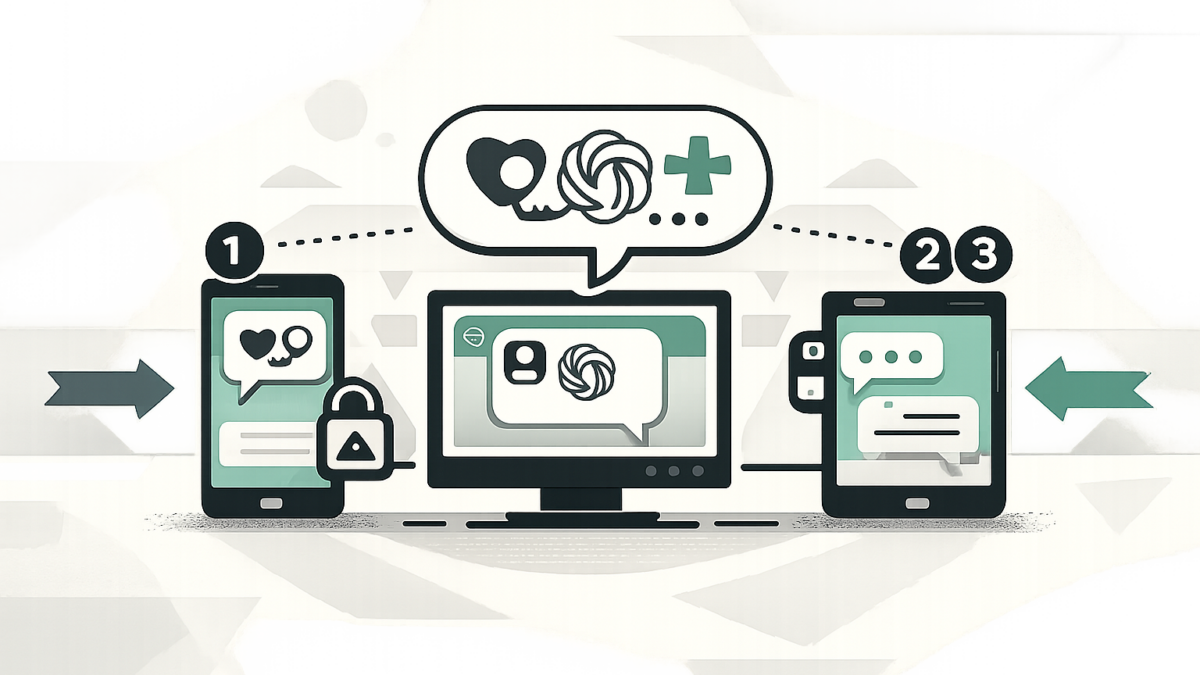
OpenAI is rolling out Health in ChatGPT to its desktop app, Android and dots, with support for Android’s Health Connect, it said in its ChatGPT release notes on November 19, 2026. Health lets users connect medical records, Apple Health or Health Connect data so ChatGPT can answer with their own lab results, medications and activity in mind. It is available to Free, Go, Plus and Pro users in the US.
However, OpenAI’s privacy wording has changed since Health launched. On July 23, OpenAI said connected records and Apple Health information, “and conversations that use it, are not used to train our foundation models or target ads.” Its Health help page, updated when checked on November 20, now limits that promise to “The data you sync.” Conversations that reference connected Health data “can be used to improve our models,” depending on a user’s settings, the page says.
More than 300 million people ask ChatGPT health questions every week, OpenAI said in July.
What did OpenAI launch on November 19?
OpenAI extended Health from web and iOS to more of ChatGPT. Per the release notes:
- Devices: Health is rolling out to the desktop app, dots, sites and Android.
- Android data: Users can connect Health Connect to “explore patterns in your sleep, activity, and more.”
- Proactive prompts: A user’s dot, ChatGPT’s personal agent, can suggest “another time for a workout when a meeting gets in the way or a reminder about preventive care options based on your connected medical records.” Dots are available only to Pro users.
- Sites: Users can build a site to track, for example, marathon training.
What can users connect?
Users can connect four kinds of sources, according to the help page: Apple Health on iPhone, Health Connect on Android, “Supported U.S. provider portals,” and One Medical and Function Health. Apps such as WHOOP, Oura, Garmin, Strava and MyFitnessPal reach ChatGPT only through Apple Health or Health Connect.
Once connected, ChatGPT can use the data “anywhere in ChatGPT,” not just inside the Health tab. OpenAI said in July that “more than 70% of health-related conversations took place outside the dedicated health experience” among early users, which is why it dropped the separate space.
Is health data used to train models or target ads?
Synced data is not, but conversations about it may be used to improve models. The two documents put it differently:
- July 23 announcement: “Connected medical records and Apple Health information, and conversations that use it, are not used to train our foundation models or target ads.”
- November help page: “The data you sync through Health, such as medical records and Apple Health or Health Connect data, is not used to train our foundation models or target ads.”
- November help page, next line: “Your model improvement settings determine whether conversations that reference your connected Health data, and content derived from that data, can be used to improve our models.”
Users who do not want that can turn off “Improve the model for everyone” in Data Controls, the page says. It does not say whether that setting is on by default.
On ads, the help page’s promise covers synced data only. It does not repeat July’s line that health conversations are not used to target ads. OpenAI’s ads testing post says it picks ads using “the topic of your conversation, your past chats, and past interactions with ads.” Health is open on Free and Go, the two plans that show ads.
What permissions does Health start with?
Health starts with whatever a user’s general plugin setting is, which by default is “Allow low-risk actions,” the help page says. Users can change it under Settings, Plugins, Health.
Memories are on too, if memory is enabled. “Conversations that use Health can create memories to personalize future chats,” the page says, though “Memories are not created directly from data synced in Health.” Users who want to keep health memories apart are told to create a separate project.
What happens to data after a user disconnects?
Synced data is deleted within 30 days, but anything already in a conversation stays. “Information already included in your ChatGPT conversation history remains until you delete those conversations,” the help page says.
Is Health covered by US health privacy law?
OpenAI says Health is not built for that. “Health in ChatGPT is not intended for clinical or covered-entity use and does not offer a Business Associate Agreement,” the help page says. A Business Associate Agreement is the contract hospitals and insurers need under HIPAA, the US health privacy law. OpenAI points those organisations to ChatGPT for Healthcare and ChatGPT for Clinicians instead. Connected data is governed by OpenAI’s own Health Privacy Notice.
Background
- July 23, 2026: Health launched in the US on web and iOS for Free, Go, Plus and Pro users.
- November 13, 2026: ChatGPT Wallet launched for Pro users in dots.
- November 16, 2026: OpenAI updated clinical search in ChatGPT for Clinicians, changing “how ChatGPT finds, evaluates, and cites medical evidence.”
- November 19, 2026: Health expanded to Android, desktop, dots and sites.
- November 20, 2026: The Health help page showed as updated “5 hours ago” when checked.
What this means for AEO
In my view, Health changes what a health answer in ChatGPT is. Two users asking the same question about a medicine may now get different answers, because one has connected their records. Prompt tests that track how ChatGPT answers health queries will miss that, and I’d note it in any health AEO report from now on.
It also matters who gets cited when there’s no ad to buy. Outside the US, health services cannot advertise on ChatGPT at all, and even in the US prescription drugs and telehealth are banned. With 300 million people a week asking health questions, the citation is the only door in. That puts the weight on the third-party sources The AEO Process is built around.
For users, the wording is the story. In July, conversations were covered. Now only synced data is. That is a change worth reading in your own Data Controls.
Questions OpenAI’s pages leave open:
- Wording: Why does the help page no longer say health conversations are excluded from ad targeting?
- Defaults: Is “Improve the model for everyone” on by default for users who connect Health?
- Ads: Can ads appear in conversations that use Health data on Free and Go?
- Countries: When will Health reach users outside the US?
- Dots: How often will proactive health reminders appear, and can users switch them off?
Reference
- OpenAI Help Center, “ChatGPT release notes” (November 19, 2026 entry): https://help.openai.com/en/articles/6825453-chatgpt-release-notes
- OpenAI Help Center, “Health in ChatGPT” (checked November 20, 2026): https://help.openai.com/en/articles/20001036
- OpenAI, “Launching Health in ChatGPT” (July 23, 2026): https://openai.com/index/health-in-chatgpt/
- OpenAI, “Testing ads in ChatGPT” (updated August 11, 2026): https://openai.com/index/testing-ads-in-chatgpt/
- Sandeep Amar, “Google’s AI Optimization Guide Is Not the AEO Bible. It’s a Press Release!”: https://sandeepamar.in/googles-ai-optimization-guide-is-not-the-aeo-bible-its-a-press-release/