Perplexity pitches its Computer agent to online brands, but its Get Maine Lobster case study gives no dates or written method

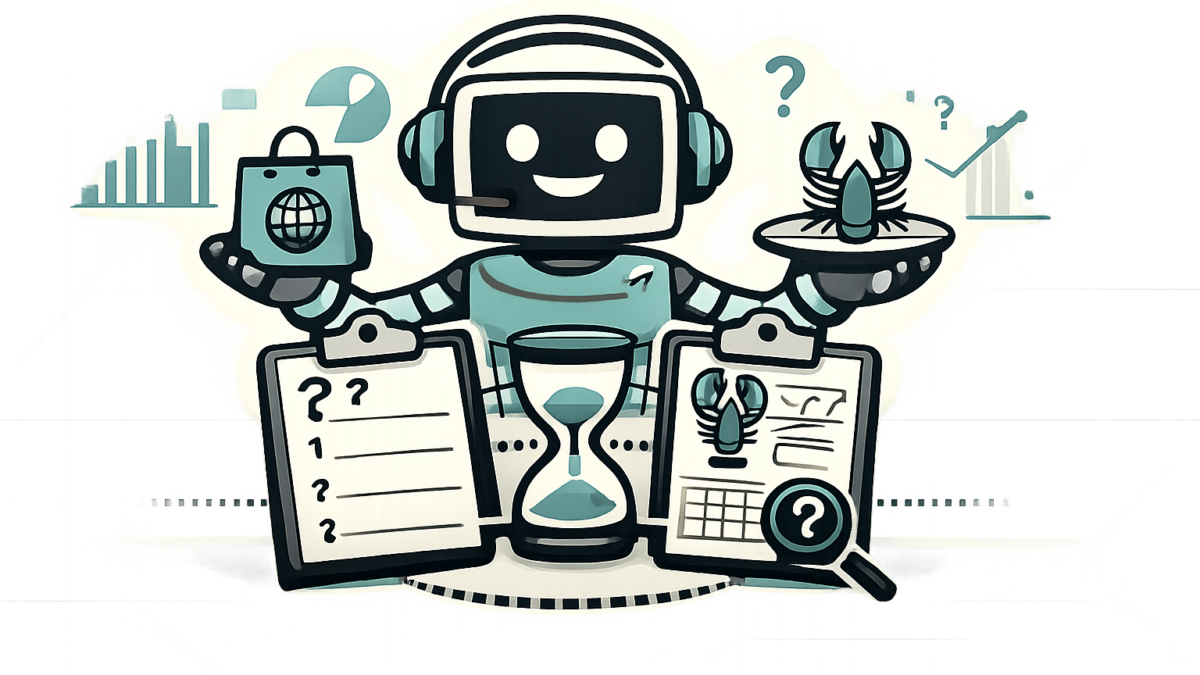
Perplexity, which runs an AI answer engine, is offering its Computer agent to e-commerce businesses to build Shopify product pages, run Meta ad campaigns and send Klaviyo emails. The company described the product in a blog post dated November 2.
Its e-commerce solutions page leads with a case study on Get Maine Lobster, in which Computer “managed US$30k in Meta ad spend and beat an agency”. The page claims “3.5x more revenue vs. agency-run campaign” and “+63% return on ad spend”. However, the case study gives no dates, campaign length or written method, and does not identify the agency-run campaign it beat.
A quote on the same page from Mark Murrell, chief executive of Get Maine Lobster, puts the revenue gain at “a 3x increase in Meta revenue”. His quote matches the case study’s 63% figure for return on ad spend.
What Computer does for a store
According to the blog post, a business starts by describing “the goal, the offer, and the campaign constraints”. Perplexity’s sample request asks for a summer collection at 15% off, “a two-week Meta ad campaign capped at $1,000” and a Klaviyo email to existing customers, with all materials shown for review before launch.
The post says Computer then handles four tasks:
- Sales analysis: It reads Shopify product-sales data “to understand what’s selling” and recommends products or collections to promote.
- Landing pages: It builds the page in Shopify using a brand “skill”, which holds the brand’s design guidelines and voice so Computer “always applies them” across pages, ads and emails.
- Meta ads: It uses competitor research and past ad performance to create static ads, turns successful videos into new variations, sets up the campaign and links each ad to its landing page.
- Email: In Klaviyo, it builds or selects an audience, writes the copy, and schedules or sends the campaign “after the required review”.
Businesses control Computer through approval settings. “Teams specify which actions need review, including publishing pages, sending emails, and spending on ads,” the post said. It does not say what Computer does when a team sets no review rules.
The post names three integrations. The solutions page lists 27 connectors, including Shopify, Google Ads, Meta Ads, TikTok, Klaviyo and Google Search Console. The post itself gives no customer results, pricing or availability limits.
What the case study claims
The solutions page says Computer “handled every step” of Get Maine Lobster’s campaign. According to the page, it scanned competitor ads daily, chose which ads to make each day, created static ads and video variations, and “adjusted budgets daily” within the brand’s efficiency targets.
Return on ad spend (ROAS) is the revenue a campaign earns for each unit of money spent on ads. The page reports a 63% gain in ROAS but does not say what the gain is measured against.
What the case study does not say
As read on November 5, the case study leaves out:
- When the campaign ran, and for how long
- Which agency-run campaign it was compared with, over what period and on what budget
- Whether the two campaigns ran at the same time, on the same products or audiences
- The revenue figure behind “3.5x”
- Whether Get Maine Lobster approved each daily budget change
The page links to a 1:51 video instead of a written method. The two revenue figures may also describe different things. “3.5x more revenue vs. agency-run campaign” compares Computer with an agency, while Murrell’s “3x increase in Meta revenue” reads as a before-and-after change. The page does not reconcile them.
The page cites no independent measurement for this case study or for its other testimonials. Therefore, the figures above are based on Perplexity’s and its customers’ own accounts.
How much it costs
Perplexity’s Pro and Max plans include Computer, according to its pricing page:
- Pro: US$17 a month billed annually, with “expanded Computer access” and 4,000 bonus credits
- Max: US$167 a month billed annually, with “maximum Computer usage”, 35,000 bonus credits and 10,000 monthly credits
- Free: no Computer credits listed
Max costs nearly ten times as much as Pro, by this story’s calculation. The pricing page does not say how many credits an e-commerce campaign uses, so a store cannot tell whether a campaign like the blog post’s sample fits within Pro.
What this means for AEO
In my view, Perplexity’s double role matters more for AEO than the case study numbers. It runs the answer engine where shoppers ask about products, and it now sells brands the agent that writes their pages and ads. None of the three Perplexity pages reviewed for this story on November 5 says whether Computer-built content is treated differently in its answers, and none rules it out. Brands buying Computer should get that answer from Perplexity in writing.
A Computer-built Shopify page is still a brand-owned page. As I argued when Google published its AI optimisation guide, models discount brand-owned content on competitive queries because the brand has a conflict of interest. A brand’s site is a floor, not a ceiling, and producing pages faster does not change that.
Brands that use it should keep page publishing on the review list, log the launch date of every Computer-built page next to their Perplexity citation data, and test their product queries before and after.
Questions Perplexity’s pages leave open
- What was the agency-run campaign, and over what period were both measured?
- Why does the case study say 3.5x while the CEO’s quote says 3x?
- What is the 63% ROAS gain measured against?
- Did Get Maine Lobster review each daily budget change?
- How many credits does a typical campaign use on Pro or Max?
- Does Perplexity treat pages or brands built with Computer any differently in its own answers?
Sources
- Perplexity, “Computer for e-commerce is built for brand growth”: https://www.perplexity.ai/hub/blog/computer-for-e-commerce-is-built-for-brand-growth
- Perplexity, “Grow your brand with AI built for e-commerce” (Perplexity for E-commerce solutions page): https://www.perplexity.ai/hub/solutions/ecommerce
- Perplexity, pricing page: https://www.perplexity.ai/hub/pricing
- Sandeep Amar, “Google’s AI Optimization Guide Is Not the AEO Bible. It’s a Press Release!”: https://sandeepamar.in/googles-ai-optimization-guide-is-not-the-aeo-bible-its-a-press-release/